



In the quick-paced world of producing, logistics, and business infrastructure, doors are regularly taken without any consideration—until they stop working properly. Many facility owners consciousness simplest on the prematurely rate of setup, overlooking the long-term costs associated with poor Door automation.
From power loss to accelerated downtime, inadequate automation can quietly drain heaps of rupees each month. At NIHVA Technologies Pvt. Ltd., we’ve visible firsthand how investing in pleasant Door Automations transforms operational efficiency, protection, and financial savings.
Understanding the True Cost of Poor Door Automations
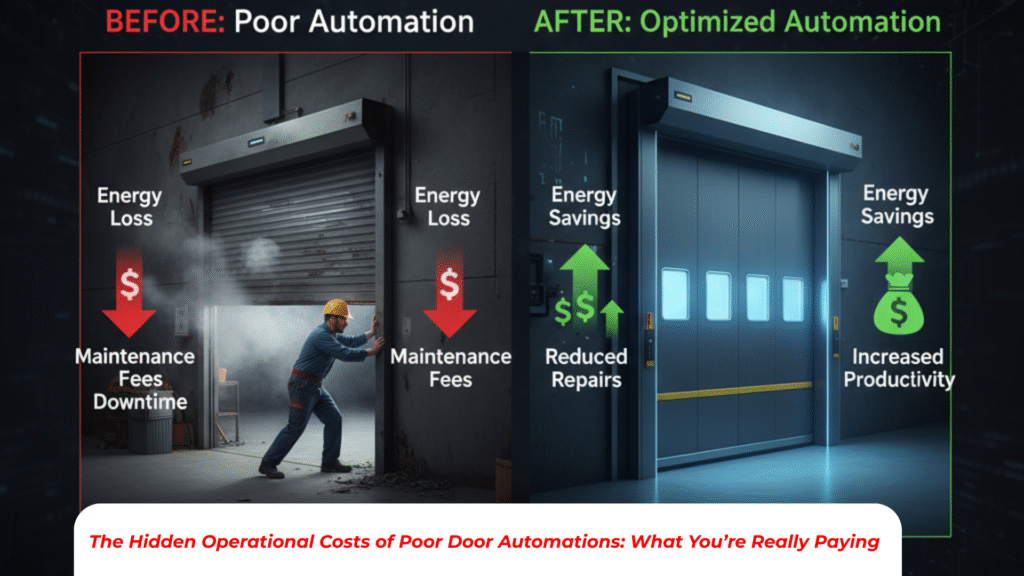
It’s tempting to save money by way of opting for inexpensive or simple door systems. However, terrible-satisfactory automation can come to be a hidden monetary burden. According to facility control research, inefficient or malfunctioning doorways can lead to up to 25% better power payments and 15% downtime losses yearly.
When a door opens too slowly, fails to shut absolutely, or lacks proper sealing, conditioned air escapes—forcing HVAC or refrigeration devices to work tougher. Likewise, mechanical wear because of subpar automation results in frequent maintenance and unscheduled preservation shutdowns.
In industries like logistics, where each 2d subject, even a few minutes of each day downtime, can translate into sizable financial losses over the years.
1. Energy Loss: The Silent Profit Killer
One of the most underestimated expenses of poor Door Automations is power inefficiency. An excessive-speed or properly automatic door minimizes the time the outlet is exposed, lowering air leakage.
Consider a warehouse running in a weather-controlled environment. If every door remains open for just 30 seconds longer in keeping with cycle, it is able to waste masses of kilowatt-hours month-to-month.
NIHVA’s superior Door Automations use precision sensors, clever controllers, and excessive-pace mechanisms to ensure top of the line sealing and minimum strength loss. In many retrofit initiatives, clients have reported up to 20–30% reduction in strength consumption after upgrading to NIHVA systems.
2. Downtime and Maintenance: The Hidden Disruptors
Downtime is every facility supervisor’s nightmare. A malfunctioning door can halt loading operations, disrupt workflows, or maybe compromise safety. Cheap automation structures regularly lack sturdy automobiles or reliable management gadgets, resulting in common breakdowns.
By evaluation, NIHVA’s Door Automations are designed for heavy-responsibility overall performance. Equipped with high-quality automobiles, safety sensors, and automated fail-safes, they deliver steady operation underneath traumatic commercial conditions.
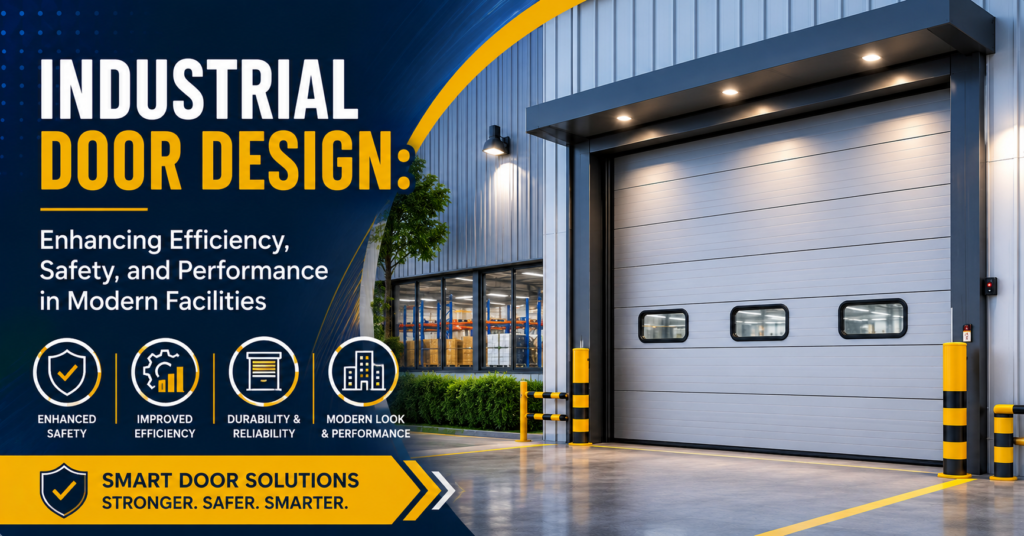
A case observed from one of NIHVA’s logistics clients discovered that switching to automatic sectional doors reduced door-associated downtime with the aid of over 40% and protection calls by means of 60% within 6 months.
3. Safety and Compliance: The Hidden Liabilities
Inadequate Door automation can pose serious safety dangers. Sudden door disasters, uncontrolled closures, or negative emergency reaction integration can lead to administrative center injuries and legal responsibility issues.
NIHVA guarantees every device adheres to international safety requirements with features like:
- Auto-reverse mechanisms in case of obstruction
- Manual override structures throughout energy outages
- Sensor-based, totally safe edges for employees’ safety
By ensuring compliance with safety codes, companies now not only guard workers but also avoid liability fines, insurance claims, and reputational harm.
4. Labor Efficiency: The Productivity Multiplier
Manual doors or semi-automated structures often require people to perform operations to open or close them. Over time, those small interruptions add up—reducing throughput and productivity.
With clever Door Automations, get right of entry to becomes seamless. Motion sensors, RFID, or remote controls permit workers and automobiles to transport freely without manual intervention. The result: faster turnaround, reduced ready time, and a happier team.
In one production facility upgraded by NIHVA, automation decreased door operation time by 50% consistent with the cycle, translating into smoother logistics flow and measurable hard work financial savings.
5. The Long-Term ROI of Quality Door Automations
While high-quit Door Automations may additionally appear costly at the beginning, the long-term return on investment is simple. Reduced power bills, fewer breakdowns, decreased upkeep charges, and advanced performance often result in a full ROI within 2–3 years.
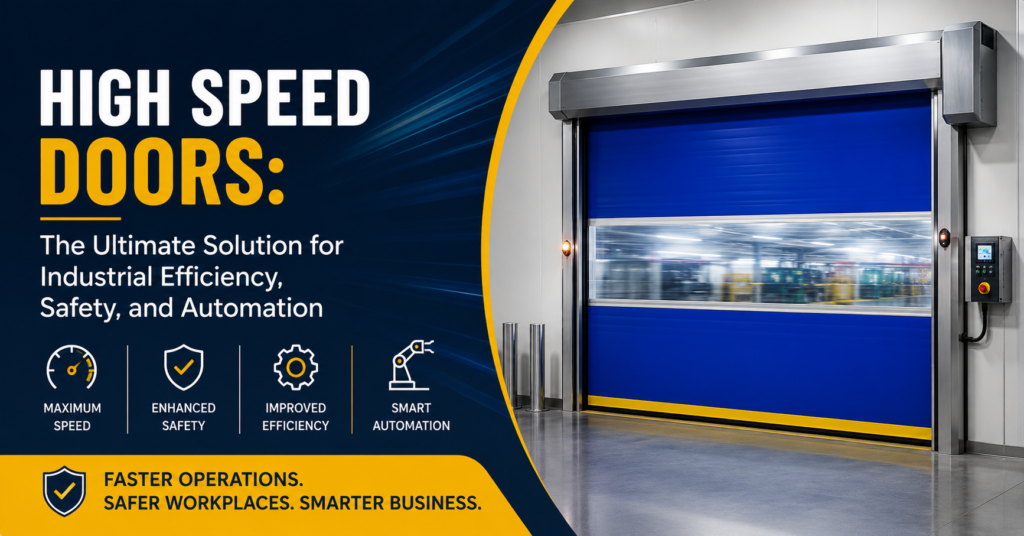
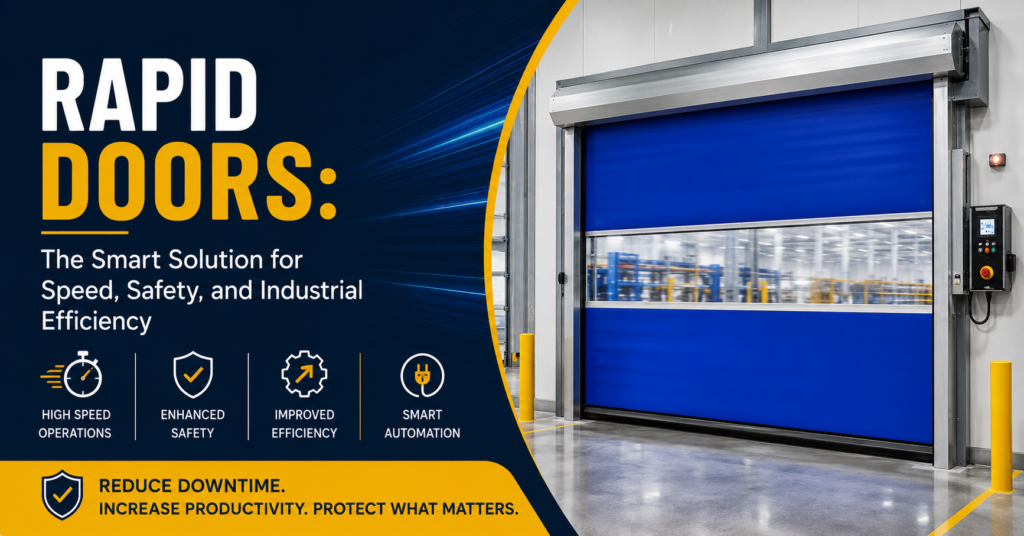
At NIHVA, we work closely with clients to identify the excellent automation solutions—whether for excessive-pace industrial doors, bloodless-room sectional doors, or computerized shutters. Each device is engineered for toughness, efficiency, and protection, supporting the center’s future-evidence of their operations.
Conclusion
In today’s competitive industrial landscape, every operational selection impacts the bottom line. Poor Door automation might look like a small problem; however, through the years, it could cost some distance more than you think—through wasted electricity, maintenance downtime, and safety risks.
By making an investment in tremendous, intelligently engineered structures from NIHVA Technologies Pvt. Ltd., organizations can transform their doors from susceptible factors into assets that enhance performance, safety, and sustainability.
When it involves automation, it’s not just about opening and closing—it’s about unlocking efficiency.