



Fire safety is one of the most important priorities in any industrial, commercial, or warehouse facility. When a fire emergency happens, every second matters, and the right door system can play a major role in controlling damage and protecting people. That is where Fire Rated Sliding Doors become a valuable part of modern building safety planning.
These doors are designed to slow the spread of flames, smoke, and heat across different zones inside a building. Unlike standard doors, they are built with special materials and tested to meet fire-resistance standards. For businesses that manage sensitive inventory, machinery, or large employee movement, choosing the right fire protection system is not just a compliance decision, but also a long-term safety investment.
What Are Fire Rated Sliding Doors?
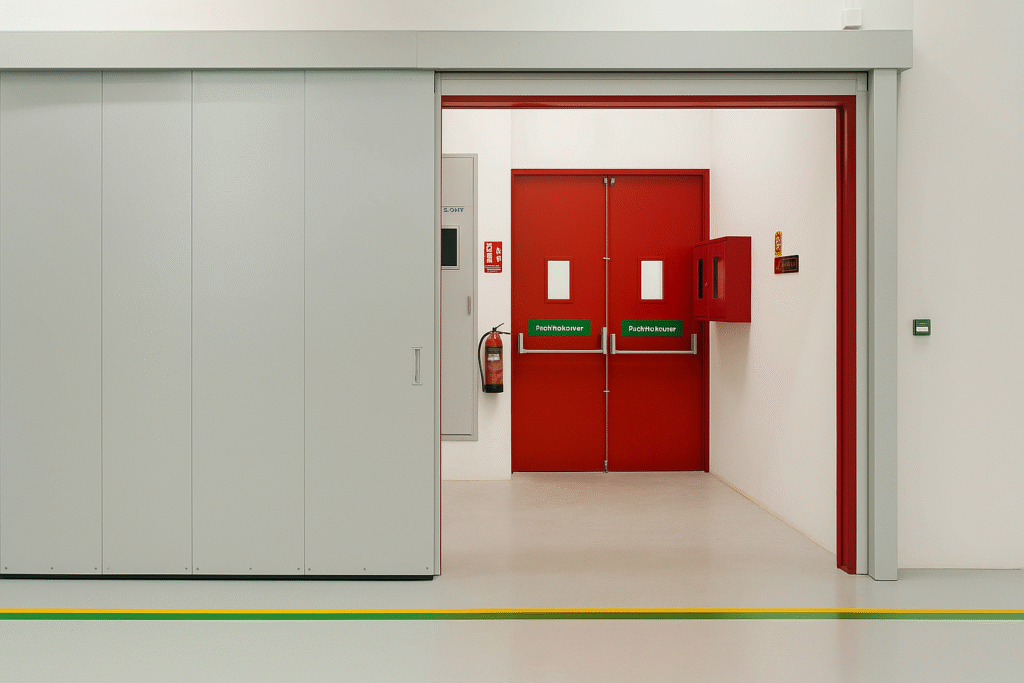
Fire rated sliding doors are specially engineered door systems that close off openings during a fire and help contain the spread of fire for a defined period. They are commonly used in warehouses, factories, logistics hubs, cold storage units, commercial complexes, and other spaces where large openings need strong fire protection.
These doors are usually built with heat-resistant cores, reinforced frames, and advanced sealing systems. Their sliding mechanism makes them especially useful in areas where space is limited or where a traditional swing door would not be practical. In large facilities, they provide both fire safety and operational convenience.
Why They Matter
The biggest advantage of fire rated doors is containment. During a fire, containment can save lives, reduce property damage, and give people more time to evacuate safely. By limiting the movement of fire and smoke, these doors help protect escape routes and reduce the chance of the incident spreading into nearby sections.
For facility managers, this also supports regulatory compliance and risk reduction. Insurance providers, safety auditors, and local fire authorities often expect the right level of passive fire protection in industrial buildings. Adding fire rated systems is a practical step toward meeting those expectations while improving site safety.
Key Features to Look For
When selecting Fire Rated Sliding Doors, it is important to look beyond basic appearance and check the actual performance features. Fire resistance rating is the first factor, since the door must be capable of withstanding fire for the required duration. The rating should match the building’s safety requirements and the risk level of the area.
You should also consider smoke sealing, automatic closing systems, durable hardware, and smooth operation. In busy facilities, the door must function reliably without interrupting workflow. A well-designed system should combine fire performance with long-term usability, low maintenance, and strong build quality.
Applications Across Industries
Fire rated sliding doors are used across many industries because large, open spaces often need flexible protection. In warehouses, they help separate storage zones and reduce the spread of fire through high-volume inventory areas. In manufacturing plants, they can protect production lines, raw material sections, and machine-heavy zones.
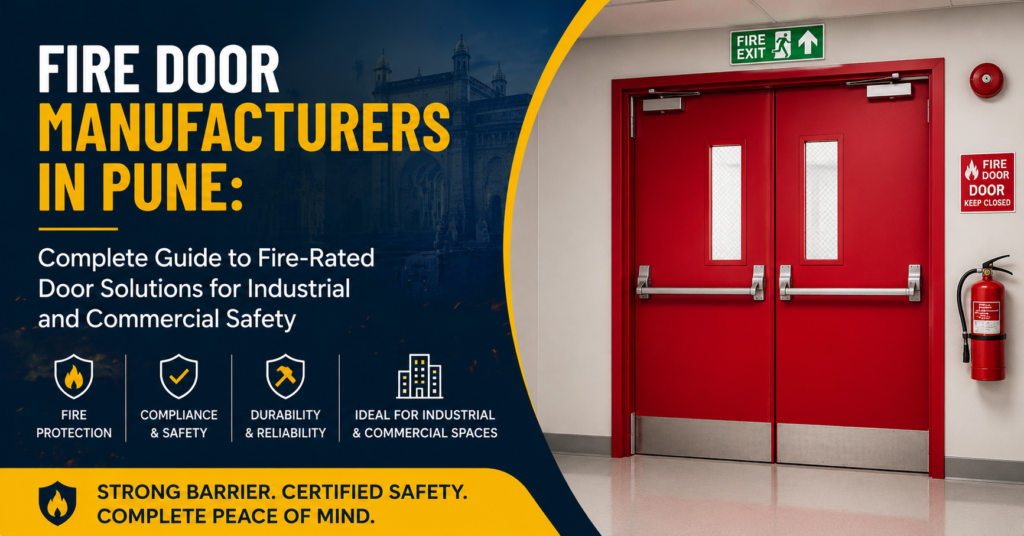
They are also useful in commercial buildings, airports, hospitals, and other public spaces where safety and movement both matter. For projects that need a broader fire protection system, businesses often combine these doors with other solutions such as rolling shutters and fire curtains. NIHVA’s fire-rated door range includes Fire Rated Sliding Doors along with related solutions for varied applications.
Benefits for Building Owners
One major benefit is improved safety for employees and visitors. A fire rated sliding system creates an added layer of protection that can help control emergencies before they spread across the facility. This can make evacuation smoother and reduce the risk of serious damage.
Another benefit is space efficiency. Because these doors slide rather than swing open, they are ideal for compact or high-traffic areas. They also help maintain a professional, modern facility layout while still supporting fire protection goals.
Choosing the Right Solution
The right fire door depends on the building layout, usage pattern, and safety requirements. A warehouse with wide openings may need a different specification than a commercial building or a production unit. That is why consultation, site evaluation, and proper installation are essential.
It is also important to choose a manufacturer that understands both fire safety and industrial application needs. NIHVA describes itself as an automation and industrial solutions brand, and its website presents fire rated door systems as part of that broader offering. For safety guidance and fire door standards, reference material from the NFPA can also be helpful.
Maintenance and Long-Term Value
Even the best fire rated system needs periodic inspection and maintenance. Door tracks, closing mechanisms, seals, and operating components should be checked regularly to ensure the system works correctly in an emergency. A neglected fire door can lose effectiveness over time.
When maintained properly, fire rated sliding systems offer strong long-term value. They help protect assets, reduce downtime after incidents, and strengthen a company’s safety profile. For businesses that care about operational continuity, that makes them a smart investment rather than just a compliance item.
Conclusion
Fire Rated Sliding Doors are an essential safety solution for modern industrial and commercial facilities. They provide fire containment, support compliance, save space, and add long-term protection to critical building areas. For businesses that want reliable fire safety without sacrificing functionality, they remain one of the most practical choices available.