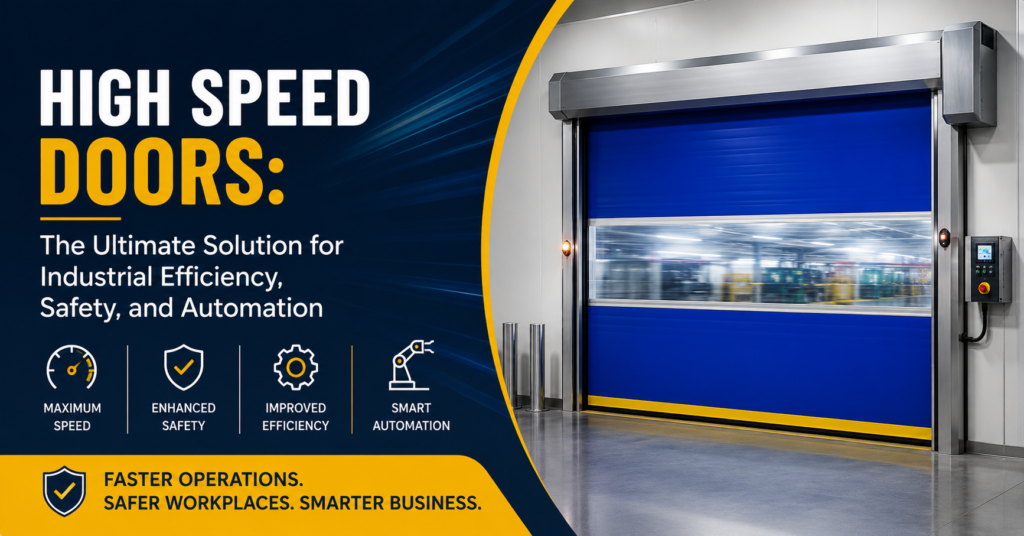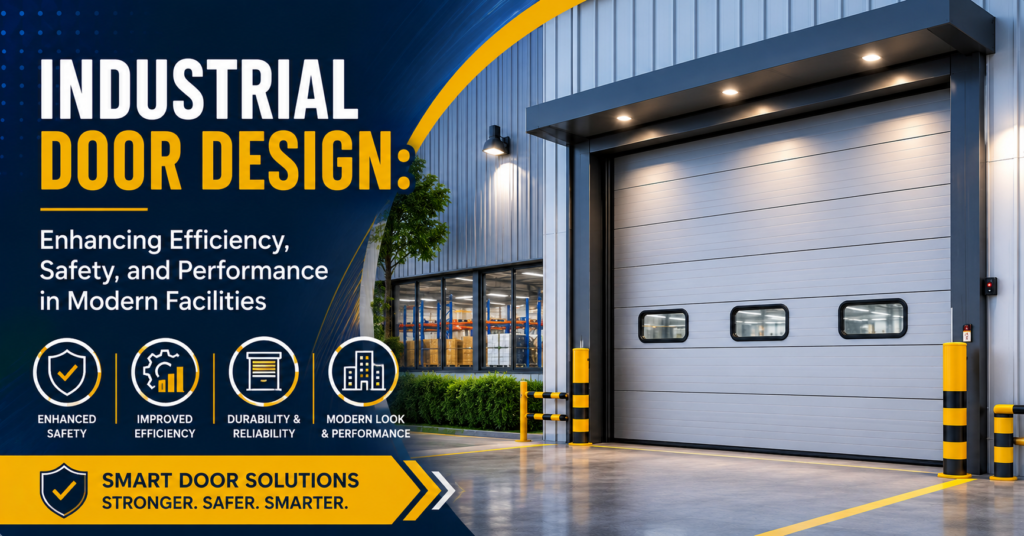




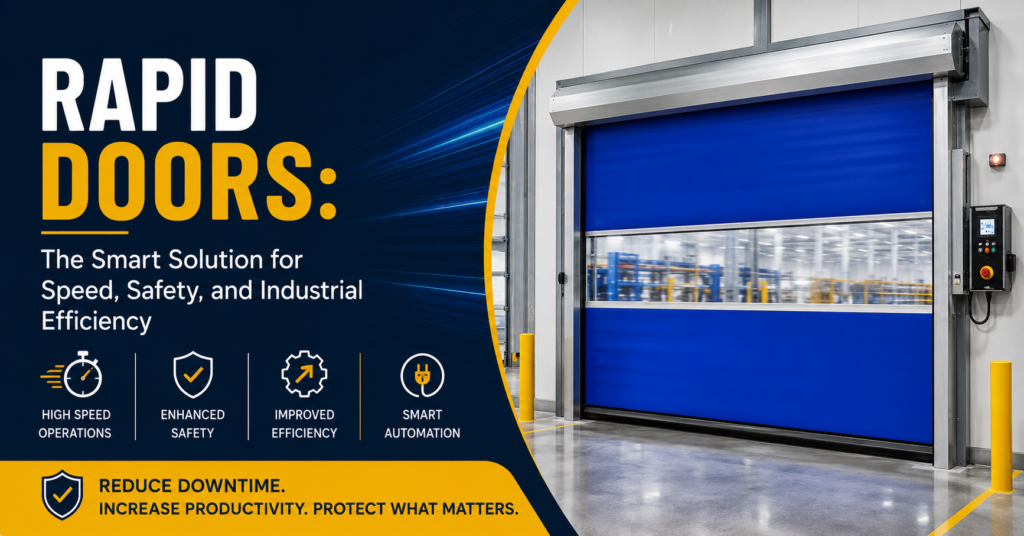
In today’s fast-paced industrial environment, every second matters. Manufacturing plants, warehouses, logistics centers, pharmaceutical facilities, food processing units, and cold storage warehouses require seamless movement of goods, machinery, and personnel. Traditional industrial doors often create bottlenecks, increase energy losses, and slow down operations. This is where Industrial Speed Doors have emerged as a game-changing solution.
Rapid doors, also known as Industrial Speed Doors are designed to open and close quickly while maintaining security, safety, and environmental control. Businesses across industries are increasingly adopting rapid door systems to enhance operational efficiency, reduce downtime, and improve workplace safety.
At NIHVA, a leading provider of industrial door automation solutions, businesses can find advanced Industrial Speed Doors systems engineered to meet the highest standards of performance and reliability. Whether it is a manufacturing facility, food processing plant, pharmaceutical unit, or logistics warehouse, rapid doors offer a modern approach to industrial access management.
What Are Rapid Doors?
Industrial Speed Doors are automated industrial doors that operate significantly faster than conventional shutters or sectional doors. They are specifically designed for environments with frequent traffic movement and demanding operational requirements.
These doors typically feature:
- High opening and closing speeds
- Automated operation
- Durable PVC or insulated curtain materials
- Advanced safety sensors
- Energy-efficient design
- Minimal maintenance requirements
The primary objective of Industrial Speed Doors is to facilitate quick movement while minimizing exposure to external environmental factors such as dust, contaminants, temperature fluctuations, and noise.
Modern Industrial Speed Doors have become an essential component of industrial automation systems, helping businesses maintain productivity while ensuring safety and compliance.
Why Industrial Speed Doors Are Becoming Essential in Modern Industries
Industrial facilities today face increasing pressure to improve productivity while reducing operational costs. Every delay in material movement can impact workflow efficiency and profitability.
Industrial Speed Doors address these challenges by offering:
Faster Traffic Flow
Forklifts, pallet trucks, and personnel can move through doorways without waiting for slow-opening doors. This significantly improves logistics and production efficiency.
Reduced Energy Consumption
Rapid doors remain open only for a short duration, minimizing air exchange between indoor and outdoor environments. This helps maintain temperature-controlled spaces and reduces HVAC costs.
Improved Hygiene Standards
Industries such as pharmaceuticals, food processing, and cleanroom manufacturing require controlled environments. Rapid doors help limit contamination and maintain cleanliness standards.
Enhanced Workplace Safety
Modern rapid doors incorporate safety sensors, photocells, and obstacle detection systems that prevent accidents and protect workers.
Better Security
Fast-closing doors reduce unauthorized access and protect valuable inventory and equipment.
These advantages make rapid doors a preferred solution for industrial facilities aiming to optimize operational performance.
Key Features of Rapid Doors
High-Speed Operation
One of the most significant advantages of Industrial Speed Doors is their exceptional operating speed. Unlike traditional industrial doors, rapid doors open and close within seconds, allowing uninterrupted workflow.
This is especially beneficial in:
- Manufacturing facilities
- Distribution centers
- Cold storage warehouses
- Logistics hubs
- Pharmaceutical plants
Advanced Safety Systems
Safety remains a top priority in industrial environments. Industrial Speed Doors are equipped with sophisticated safety mechanisms such as:
- Infrared sensors
- Motion detectors
- Safety edge technology
- Obstacle detection systems
- Emergency opening functions
These features ensure safe operation even in high-traffic areas.
Durable Construction
Industrial environments can be demanding. Industrial Speed Doors are engineered using high-quality materials that withstand:
- Frequent operating cycles
- Heavy industrial use
- Temperature variations
- Dust and moisture exposure
- Mechanical wear and tear
This durability ensures long-term reliability and reduced maintenance costs.
Energy Efficiency
Rapid doors contribute significantly to energy conservation. Their quick opening and closing speeds help maintain internal temperatures, reducing heating and cooling expenses.
Facilities with climate-controlled environments often experience substantial savings after installing rapid door systems.
Low Maintenance Requirements
Due to their robust design and advanced engineering, rapid doors require minimal maintenance compared to traditional industrial doors.
This reduces downtime and lowers long-term operating costs.
Applications of Rapid Doors Across Industries
Manufacturing Facilities
Manufacturing plants require efficient movement between production zones. Rapid doors improve workflow by reducing delays and maintaining controlled environments.
Benefits include:
- Faster material handling
- Improved productivity
- Reduced contamination risks
- Better safety management
Food Processing Industry
Food production facilities must maintain strict hygiene standards.
Rapid doors help by:
- Preventing dust infiltration
- Controlling temperature
- Reducing pest entry
- Supporting food safety compliance
The fast operation ensures minimal exposure to external contaminants.
Pharmaceutical and Cleanroom Facilities
In pharmaceutical manufacturing, maintaining air quality and cleanliness is critical.
Rapid doors help maintain:
- Controlled air pressure
- Sterile conditions
- Temperature consistency
- Regulatory compliance
Their seamless operation makes them ideal for cleanroom applications.
Warehousing and Logistics Centers
Distribution centers often experience constant movement of goods.
Rapid doors support:
- Faster loading and unloading
- Reduced traffic congestion
- Enhanced workflow efficiency
- Lower energy losses
These advantages directly impact operational productivity.
Cold Storage Facilities
Temperature control is crucial in cold storage environments.
Rapid doors help:
- Reduce thermal losses
- Maintain temperature stability
- Improve energy efficiency
- Protect stored products
This leads to lower refrigeration costs and improved product quality.
Benefits of Installing Rapid Doors
Increased Productivity
Rapid doors eliminate unnecessary waiting times and streamline material movement. Faster operations lead to higher throughput and improved productivity.
Lower Energy Costs
Energy savings are among the most significant benefits of rapid doors. By minimizing air exchange, these doors reduce the workload on HVAC and refrigeration systems.
Improved Operational Efficiency
Rapid doors support smoother workflows and reduce interruptions, allowing facilities to operate more efficiently.
Better Environmental Control
Maintaining temperature, humidity, and air quality becomes easier with rapid door systems.
Enhanced Employee Safety
Advanced safety features reduce workplace accidents and create a safer working environment.
Reduced Maintenance Expenses
Durable construction and reliable operation lower maintenance requirements and associated costs.
Types of Rapid Doors
Interior Rapid Doors
These doors are used within facilities to separate different operational areas.
Common applications include:
- Production zones
- Storage rooms
- Packaging areas
- Cleanrooms
Exterior Rapid Doors
Designed for external openings, these doors provide protection against weather, dust, and environmental elements.
Ideal for:
- Loading docks
- Warehouse entrances
- Distribution centers
Insulated Rapid Doors
These doors provide enhanced thermal insulation and are commonly used in cold storage and temperature-sensitive facilities.
Machine Protection Rapid Doors
Used in automated production environments, these doors protect personnel and machinery while supporting efficient operations.
How Rapid Doors Support Industrial Automation
Industrial automation continues to transform manufacturing and logistics operations. Rapid doors play a crucial role in supporting automated workflows.
Integration capabilities include:
- PLC systems
- Automated conveyor systems
- Access control solutions
- Sensor-based activation
- Smart building management systems
By integrating with automation technologies, rapid doors contribute to increased productivity and operational intelligence.
Factors to Consider When Choosing Rapid Doors
Operating Speed
Choose a door that matches your facility’s traffic volume and operational requirements.
Safety Features
Look for advanced safety systems such as photocells, sensors, and emergency release mechanisms.
Durability
Industrial environments require doors capable of handling frequent usage and harsh conditions.
Energy Efficiency
Evaluate insulation properties and air leakage control capabilities.
Maintenance Support
Select a manufacturer that offers reliable service and maintenance support.
Customization Options
Different industries have unique requirements. Customizable rapid doors provide greater flexibility and performance.
Why Businesses Trust NIHVA for Rapid Doors
When it comes to industrial door automation, experience and expertise matter. NIHVA has established itself as a trusted provider of advanced industrial door solutions, serving a wide range of industries across India.
Businesses choose NIHVA because of:
- Innovative door automation solutions
- Industry-specific expertise
- High-quality products
- Advanced safety technologies
- Reliable installation services
- Comprehensive maintenance support
The company offers a broad range of industrial door solutions, including high-speed doors, machine protection doors, cleanroom doors, cold room doors, and sectional doors.
For businesses looking to improve operational efficiency and workplace safety, NIHVA provides customized solutions tailored to specific industrial requirements. Learn more about their complete range of industrial door automation products at https://nihva.com/ and follow their latest innovations and projects on https://www.instagram.com/nihva_technologies/.
Future Trends in Rapid Door Technology
The future of rapid doors is closely aligned with Industry 4.0 and smart manufacturing.
Emerging trends include:
- IoT-enabled door monitoring
- Predictive maintenance systems
- AI-based traffic management
- Energy performance analytics
- Smart access control integration
As industries become increasingly automated, rapid doors will continue to play a vital role in supporting efficient, safe, and sustainable operations.
Conclusion
Rapid doors have become an indispensable asset for modern industrial facilities. Their ability to enhance productivity, improve safety, reduce energy consumption, and maintain environmental control makes them a smart investment for businesses across various sectors.
Whether operating in manufacturing, pharmaceuticals, food processing, warehousing, or cold storage, organizations can benefit significantly from the installation of high-performance rapid door systems.
With advanced engineering, reliable automation, and industry-focused solutions, NIHVA continues to help businesses achieve greater operational efficiency through innovative rapid door technologies. Investing in rapid doors today is a strategic step toward a faster, safer, and more productive industrial future.