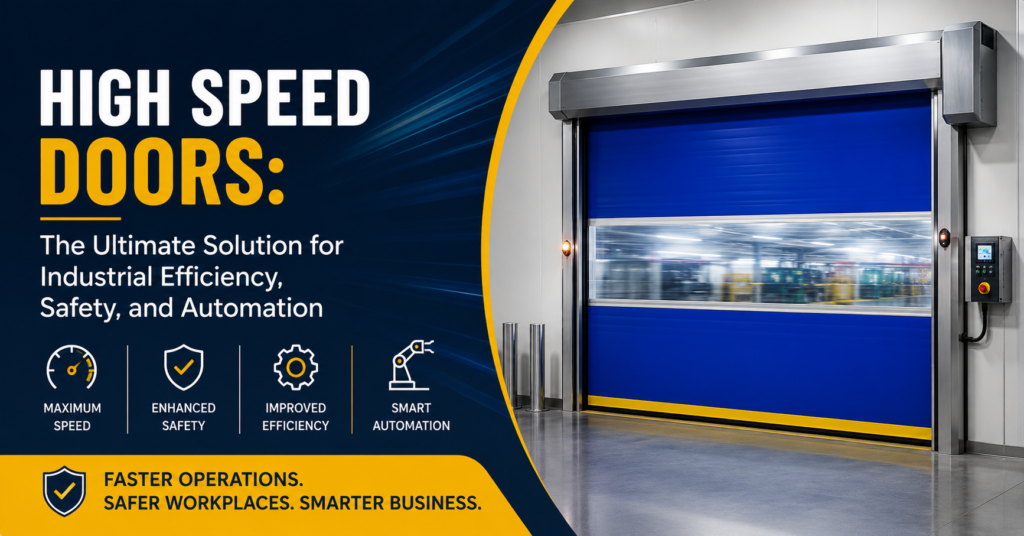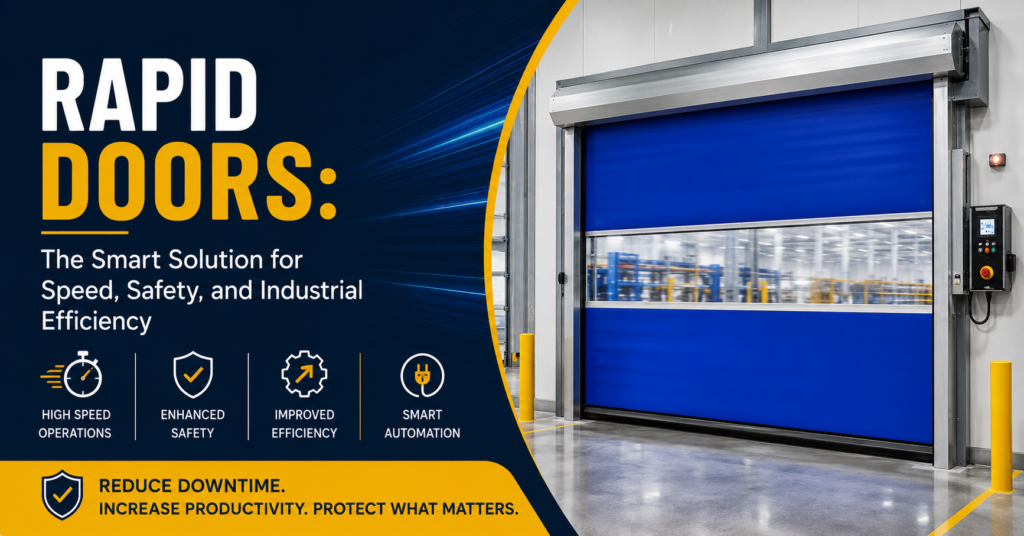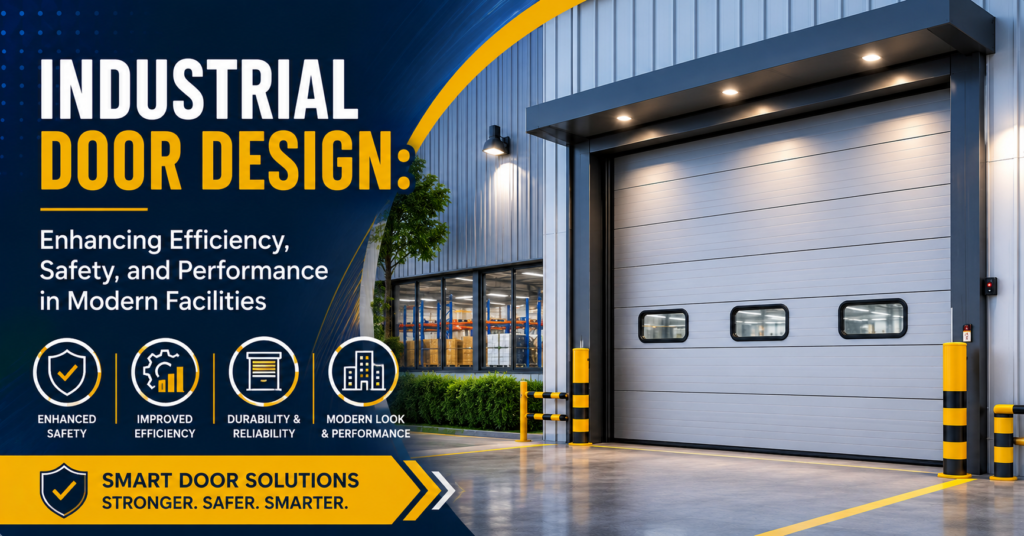





Food industries doors play a vital role in maintaining sanitary conditions and streamlining operations in processing plants. NIHVA’s inside plant doors offer tailored solutions for food production environments.
Role in Food Processing Plants
Food industries doors must prevent contamination while supporting high-traffic workflows. NIHVA models feature smooth surfaces and rapid mechanisms ideal for areas like packaging and storage.
These doors comply with HACCP standards by minimizing microbial risks during material handling. Their design reduces downtime in fast-paced food facilities.
Essential Features for Food Safety
High-speed operation in NIHVA food industries doors cuts exposure time to external contaminants. Insulated panels preserve cold chain integrity in chillers and freezers.
Non-porous materials resist moisture and bacteria buildup, easing daily sanitation. Automation ensures hands-free access, crucial for hygiene in food prep zones.
| Feature | Food Industry Benefit | NIHVA Inside Plant Specs |
| Rapid Roll-Up | Limits air exchange | <2-second cycles |
| Sealed Edges | Blocks dust/insects | Tight gaskets |
| Food-Grade Finish | Easy wipe-down | Chemical-resistant |
| Thermal Insulation | Energy savings | PUF core |
Types Suited for Food Facilities
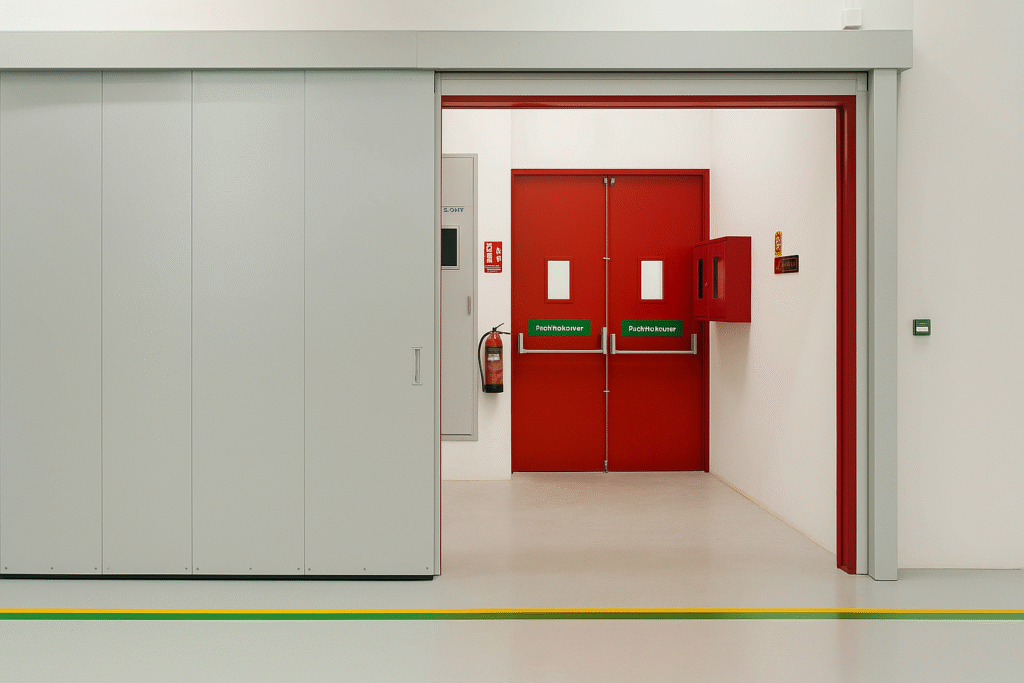
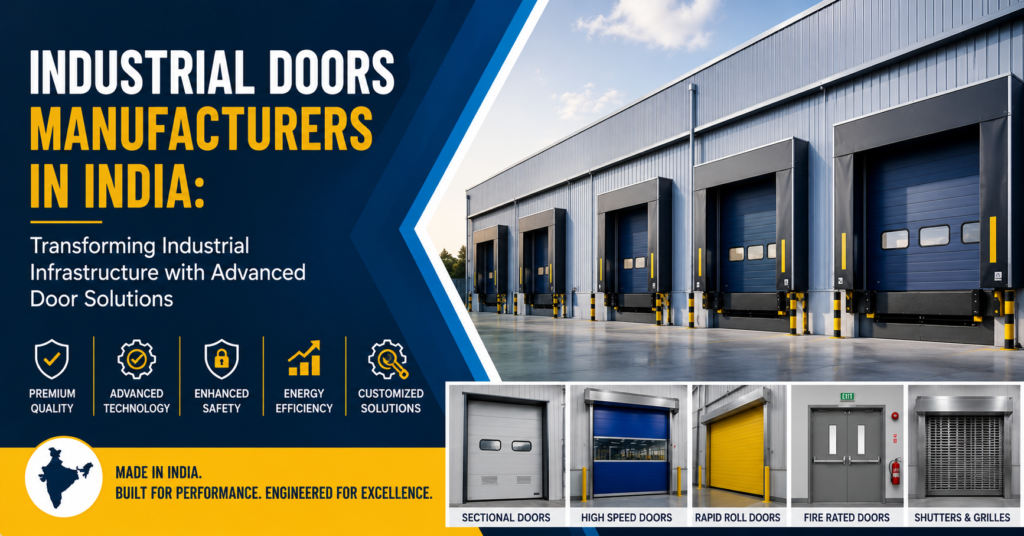
Swing doors with vision panels suit staff corridors in food industries. High-speed fabric doors excel in loading docks to control temperature fluctuations.
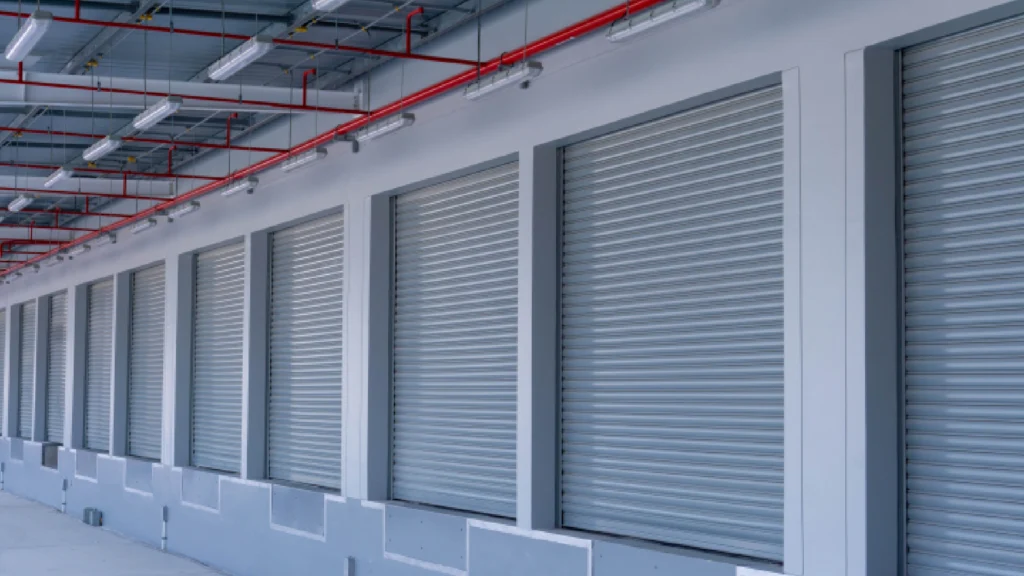
Insulated panel doors maintain precise conditions in dairy or meat processing. Roller shutters provide secure external barriers without compromising speed.
Hygiene and Cleaning Protocols
Food industries doors from NIHVA support intensive washdowns with IP65-rated components. Rounded profiles eliminate harborage points for pathogens.
Daily protocols involve EPA-approved disinfectants on surfaces. Sensors detect seal wear, preventing hygiene breaches proactively.
Energy Efficiency Gains
In food industries, doors reduce HVAC loads by sealing cold storage effectively. NIHVA’s insulation yields 25-35% lower energy use versus standard options.
Quick cycling preserves product quality, cutting spoilage losses in perishable goods handling.
Regulatory Standards Compliance
Food industries doors align with FDA Title 21 and EU 1935/2004 for material safety. NIHVA ensures low particle emission and fire ratings for processing areas.
Audits confirm microbial limits post-installation, supporting FSSC 22000 certification.
Installation Guidelines
Pre-installation surveys adapt NIHVA food industries doors to plant layouts, including overhead tracks. Setup completes in 4-8 hours with factory-trained teams.
Track alignment prevents operational snags in high-use zones.
Real-World Applications
A major bakery installed NIHVA food industries doors across production lines, slashing contamination incidents by 35%. Throughput improved 20% in flour handling.
Beverage plants report stable temperatures, boosting shelf-life compliance.
Maintenance Strategies
Quarterly lubrication and seal inspections extend NIHVA door life to 12-15 years. Spare parts availability minimizes unplanned shutdowns in food industries.
Predictive diagnostics via IoT integration flag issues early.
The Role of Food Industries Doors in Regulatory Compliance
Food manufacturing facilities must comply with strict hygiene and safety standards. Food Industries Doors are specifically designed to support these requirements by minimizing contamination risks and ensuring controlled access between production zones. High-speed operation reduces the amount of time doors remain open, helping maintain clean environments and stable temperatures.
Modern Food Industries Doors are constructed using corrosion-resistant materials that withstand frequent cleaning and sanitization. Their smooth surfaces prevent the accumulation of dust, dirt, and bacteria, making them ideal for food processing plants, cold storage facilities, dairy units, and packaging areas.
Energy Savings and Productivity Benefits
Another major advantage of Food Industries Doors is improved energy efficiency. By reducing air exchange between different sections of a facility, these doors help maintain temperature-controlled environments while lowering energy costs. Fast opening and closing speeds also improve workflow by minimizing delays for employees and material handling equipment.
Businesses investing in high-quality Food Industries Doors often experience enhanced productivity, lower maintenance requirements, and improved product quality. Whether operating a small food processing unit or a large manufacturing facility, selecting the right Food Industries Doors can contribute significantly to long-term operational success.
Emerging Innovations
Smart food industries doors will incorporate UV sanitation and AI airflow optimization. NIHVA leads with sustainable, recyclable composites for eco-friendly plants.
Explore NIHVA inside plant doors: https://nihva.com/product/inside-plant-doors/