



Introduction
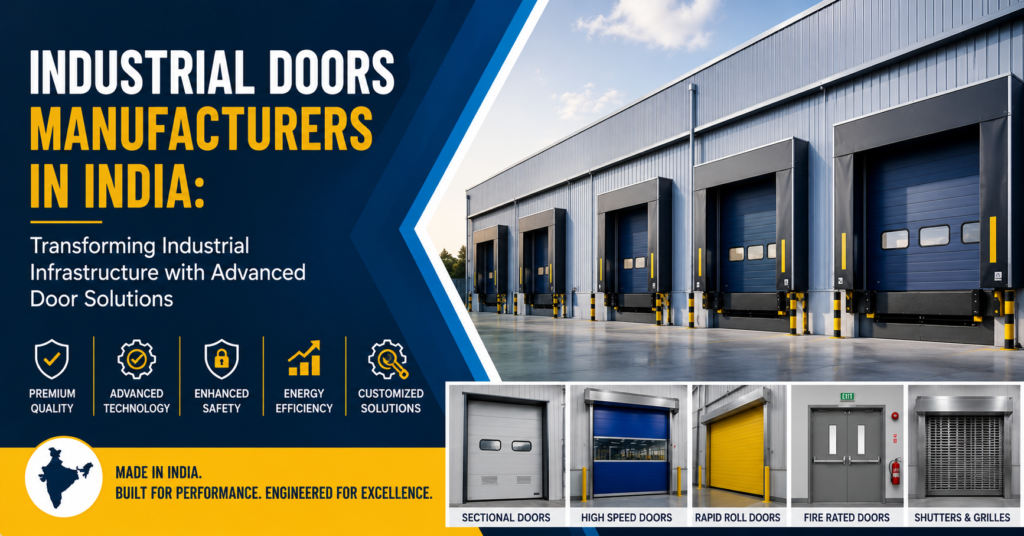
In today’s fast-paced industrial and commercial environment, businesses require entrance solutions that provide security, durability, energy efficiency, and seamless operation. Among the various industrial door systems available, Overhead sectional systems have emerged as one of the most reliable and versatile options. From warehouses and manufacturing plants to logistics centers, showrooms, and commercial facilities, sectional doors offer exceptional functionality while enhancing the overall appearance of a building.
As industries continue to prioritize operational efficiency and safety, sectional doors have become a preferred choice due to their innovative design, space-saving operation, and superior insulation capabilities. Companies looking for advanced industrial door solutions can explore trusted manufacturers such as https://nihva.com/, which specializes in high-quality sectional door systems and industrial automation solutions.
This comprehensive guide explores everything you need to know about Overhead sectional systems, including their features, benefits, applications, types, installation considerations, and maintenance requirements.
What Are Overhead sectional systems?
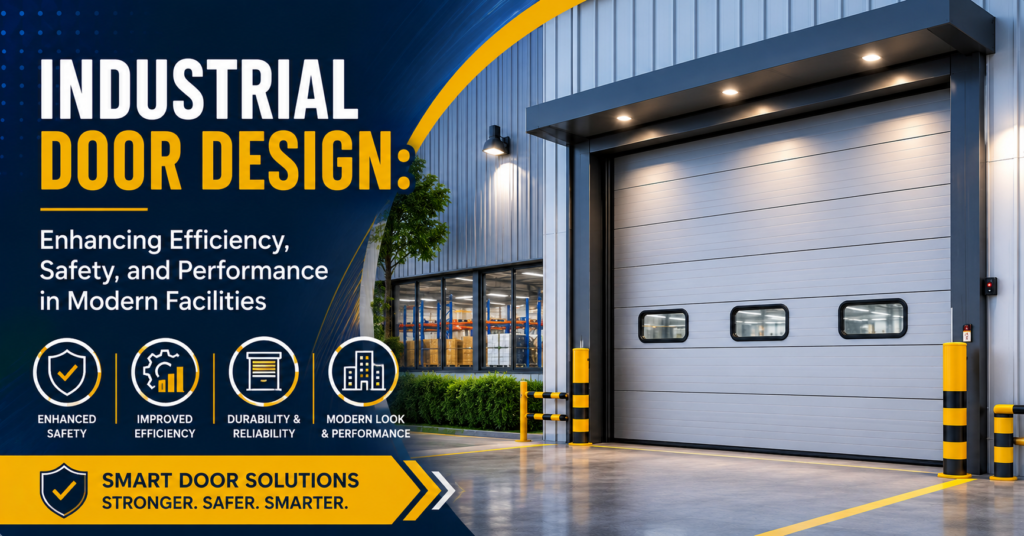
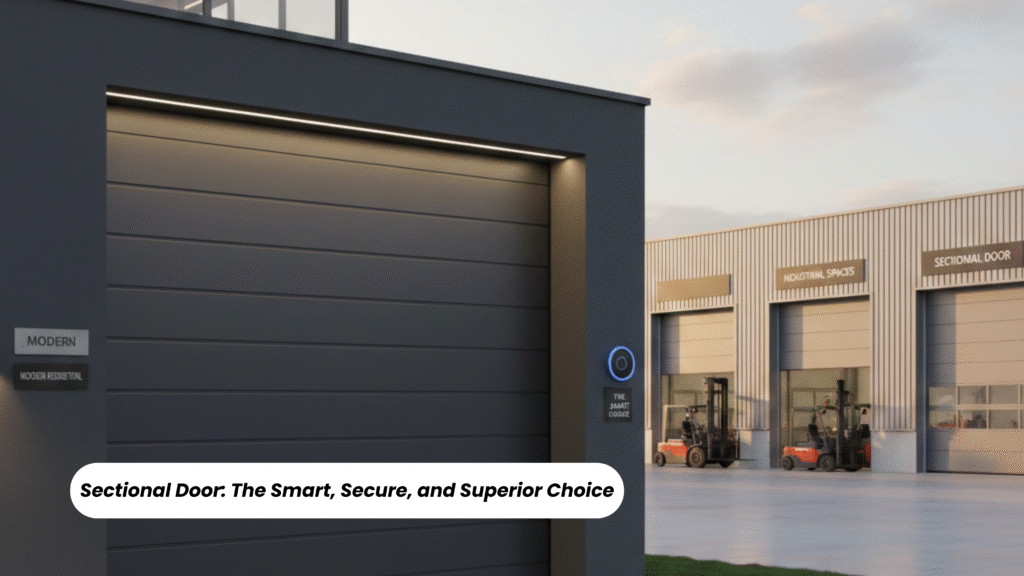
Overhead sectional systems are vertically opening doors made up of multiple horizontal panels connected through hinges. Unlike traditional swing doors or rolling shutters, sectional doors move upward along tracks and slide neatly beneath the ceiling when opened.
This unique operating mechanism ensures maximum use of available space both inside and outside the building. Since the door does not swing outward, it allows vehicles and equipment to move closer to the entrance without obstruction.
Modern sectional doors are manufactured using insulated panels, galvanized steel, aluminum, or glazed materials to meet different industrial and commercial requirements.
Why Sectional Doors Are Growing in Popularity
Businesses today demand door systems that can support productivity while reducing operational costs. Sectional doors fulfill these requirements by offering:
- Enhanced security
- Improved thermal insulation
- Better weather resistance
- Space optimization
- Low maintenance requirements
- Attractive appearance
- Smooth automated operation
These benefits make sectional doors an ideal choice for various industries.
Key Features of Sectional Doors
1. Space-Saving Design
One of the biggest advantages of sectional doors is their vertical lifting mechanism. The door panels travel upward and rest beneath the ceiling, eliminating the need for swing space.
This feature is especially beneficial in:
- Loading bays
- Warehouses
- Manufacturing plants
- Distribution centers
- Commercial garages
2. Excellent Thermal Insulation
Many modern insulated sectional doors utilize polyurethane foam-filled panels that significantly reduce heat transfer.
Benefits include:
- Better temperature control
- Reduced energy consumption
- Lower HVAC costs
- Improved working conditions
This makes sectional doors suitable for temperature-sensitive industries and facilities.
3. Enhanced Security
Industrial sectional doors are built using robust materials that provide superior protection against unauthorized access.
Security features often include:
- Heavy-duty locking systems
- Reinforced panels
- Automated access control
- Remote monitoring capabilities
These features help protect valuable assets and inventory.
4. Smooth Automation
Automated sectional doors can be operated using:
- Remote controls
- Push-button systems
- RFID access systems
- Radar sensors
- Smart automation technologies
Automation improves workflow efficiency while reducing manual effort.
5. Weather Resistance
High-quality sectional doors are designed to withstand harsh environmental conditions including:
- Heavy rain
- Strong winds
- Dust
- Extreme temperatures
Proper sealing prevents water infiltration and air leakage.
Types of Sectional Doors
PUF Insulated Sectional Doors
PUF insulated sectional doors are widely used in industrial facilities that require temperature control and energy efficiency.
Key benefits include:
- Excellent thermal performance
- Reduced condensation
- Energy savings
- Noise reduction
These doors are commonly installed in:
- Manufacturing plants
- Warehouses
- Cold storage facilities
- Food processing units
Glazed Overhead Sectional Doors
Glazed sectional doors incorporate transparent or semi-transparent panels that allow natural light into the facility.
Advantages include:
- Improved visibility
- Enhanced aesthetics
- Reduced lighting costs
- Modern appearance
They are frequently used in:
- Automotive showrooms
- Commercial buildings
- Service centers
- Premium industrial facilities
Industrial Sectional Doors
Industrial sectional doors are specifically engineered to handle high operating cycles and demanding environments.
They offer:
- Heavy-duty construction
- High durability
- Reliable operation
- Advanced automation compatibility
Commercial Sectional Doors
Commercial sectional doors combine functionality with aesthetics.
Common applications include:
- Retail outlets
- Shopping centers
- Service stations
- Commercial warehouses
Applications of Sectional Doors
Warehouses and Distribution Centers
Warehouses require efficient loading and unloading operations. Sectional doors provide:
- Fast access
- Secure closure
- Space optimization
- Reduced energy loss
Manufacturing Facilities
Factories often use Overhead sectional systems to separate operational zones and facilitate logistics movement.
Benefits include:
- Improved workflow
- Better environmental control
- Enhanced safety
Automotive Industry
Vehicle service centers and showrooms rely on Overhead sectional systems for their aesthetic appeal and operational efficiency.
Food Processing Units
Food industry facilities require hygienic and temperature-controlled environments. Insulated Overhead sectional systems help maintain these conditions effectively.
Pharmaceutical Facilities
Temperature-sensitive pharmaceutical environments benefit from Overhead sectional systems due to their insulation and sealing capabilities.
Commercial Buildings
Commercial properties use sectional doors to improve security while maintaining an attractive architectural appearance.
Benefits of Installing Overhead sectional systems
Increased Energy Efficiency
Insulated Overhead sectional systems educe heat loss and improve thermal performance.
Businesses can experience:
- Lower energy bills
- Better climate control
- Reduced carbon footprint
Improved Operational Efficiency
Automated sectional doors open and close quickly, minimizing delays in material movement.
This leads to:
- Faster logistics operations
- Increased productivity
- Reduced downtime
Better Safety
Modern Overhead sectional systems are equipped with safety features such as:
- Safety edges
- Photoelectric sensors
- Obstacle detection systems
- Emergency stop functions
These systems help prevent accidents and equipment damage.
Long Service Life
High-quality Overhead sectional systems are built using durable materials and precision engineering.
With proper maintenance, they can provide reliable performance for many years.
Enhanced Building Appearance
Sectional doors are available in various:
- Colors
- Finishes
- Designs
- Glazing options
This allows businesses to maintain a professional and modern appearance.
Important Factors to Consider When Choosing Overhead sectional systems
Building Requirements
Evaluate:
- Door opening dimensions
- Ceiling clearance
- Traffic volume
- Operational requirements
Insulation Needs
Facilities with temperature-sensitive operations should choose insulated Overhead sectional systems.
Automation Features
Consider advanced automation options such as:
- Remote operation
- Sensor activation
- Access control integration
Material Selection
Common materials include:
- Galvanized steel
- Aluminum
- Insulated sandwich panels
- Glass panels
Each material offers unique benefits depending on the application.
Maintenance Requirements
Select Overhead sectional systems designed for easy servicing and long-term reliability.
Sectional Doors vs Rolling Shutters
While both systems are popular, Overhead sectional systems often offer superior performance.
| Feature | Sectional Doors | Rolling Shutters |
| Insulation | Excellent | Moderate |
| Aesthetics | High | Basic |
| Security | High | High |
| Space Efficiency | Excellent | Good |
| Noise Levels | Low | Higher |
| Customization | Extensive | Limited |
This comparison demonstrates why Overhead sectional systems are increasingly preferred for industrial and commercial applications.
Maintenance Tips for Sectional Doors
Regular maintenance ensures optimal performance and longevity.
Inspect Moving Parts
Check:
- Hinges
- Rollers
- Tracks
- Springs
for wear and damage.
Lubricate Components
Proper lubrication reduces friction and extends component life.
Check Door Balance
An unbalanced door places unnecessary strain on the motor and hardware.
Inspect Safety Systems
Ensure all sensors and safety devices are functioning correctly.
Schedule Professional Servicing
Routine inspections by qualified technicians help identify issues before they become costly repairs.
Why Businesses Trust NIHVA for Overhead sectional systems
Businesses across industries seek reliable partners for industrial door solutions. NIHVA has established itself as a trusted provider of advanced door automation systems, offering customized Overhead sectional systems solutions designed for modern industrial requirements.
Their product range includes:
- Insulated Overhead sectional systems
- Glazed overhead sectional doors
- Industrial automation systems
- Loading bay solutions
- High-speed doors
Organizations can learn more about their comprehensive solutions by visiting https://nihva.com/ and exploring their latest innovations. Businesses can also stay updated with product showcases, installations, and industry insights through their Instagram page at https://www.instagram.com/nihva_technologies/.
Future Trends in Overhead sectional systems
As industrial automation continues to evolve, Overhead sectional systems are becoming smarter and more efficient.
Emerging trends include:
Smart Connectivity
IoT-enabled Overhead sectional systems allow remote monitoring and control.
Predictive Maintenance
Advanced sensors help identify maintenance requirements before failures occur.
Energy Optimization
Improved insulation technologies continue to enhance energy efficiency.
Sustainable Materials
Manufacturers are increasingly adopting environmentally friendly materials and production methods.
Advanced Security Integration
Modern Overhead sectional systems can be integrated with:
- CCTV systems
- Access control systems
- Building management systems
for enhanced security and operational oversight.