



Industrial facilities rely on efficient infrastructure to maintain productivity, safety, and operational continuity. One of the most important yet often overlooked components is the door system used within the facility. Properly designed industrial interior doors help regulate traffic flow, improve environmental control, and create safer working conditions for employees.
As manufacturing processes become increasingly Inside Plant Doors automated and specialized, businesses are seeking solutions that can support high-performance operations while minimizing downtime. Modern industrial door systems are designed to meet these requirements by providing durability, reliability, and ease of operation.
The Importance of Interior Door Systems in Industrial Environments
Manufacturing plants and warehouses often consist of multiple operational zones. These may include production areas, storage spaces, clean rooms, packaging sections, and administrative offices. Efficient separation between these zones is essential for maintaining workflow and ensuring compliance with safety standards.
A well-designed door system helps manage the movement of personnel, Inside Plant Doors equipment, and materials without disrupting daily operations. It also creates controlled environments where temperature, humidity, and air quality can be maintained effectively.
Improving Workflow and Productivity
Efficient movement within a facility directly impacts productivity. Delays caused by poorly functioning access points can slow production schedules and increase operational costs Inside Plant Doors.
Modern industrial door solutions help by:
- Allowing quick movement of materials
- Reducing congestion in high-traffic areas
- Supporting forklift and equipment access
- Minimizing interruptions during production
By creating smooth transitions between departments, facilities can maintain consistent output and improve overall efficiency.
Enhancing Workplace Safety Inside Plant Doors
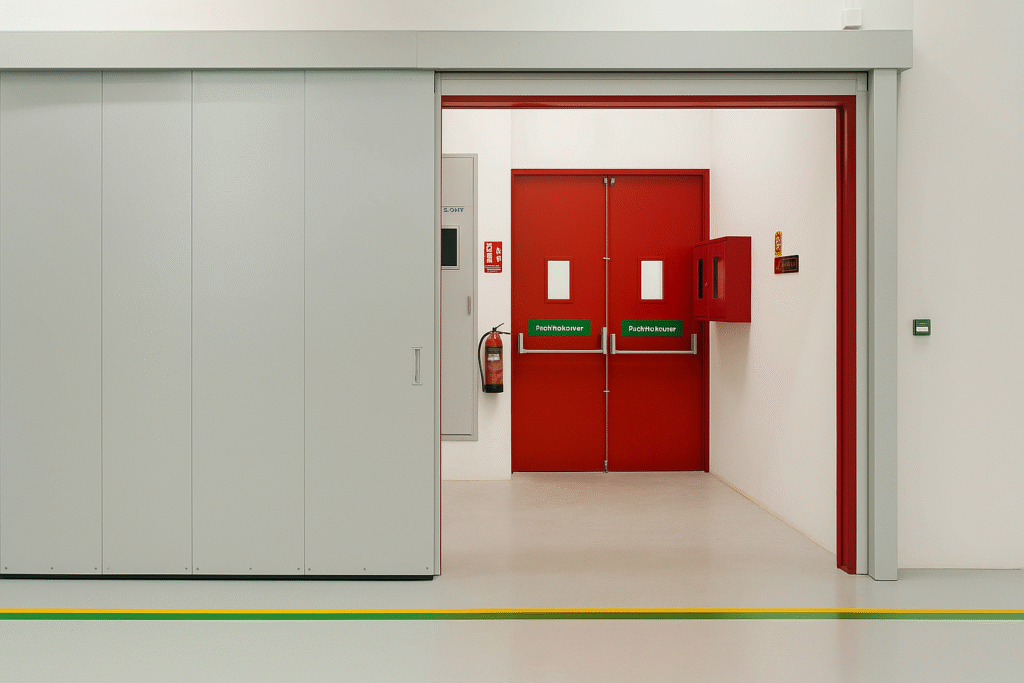
Safety remains a top priority for every industrial operation. Door systems contribute significantly to workplace safety by separating hazardous zones from general work areas.
Common safety benefits include:
- Controlled access to restricted areas
- Reduced risk of collisions
- Improved visibility through viewing panels
- Emergency exit accessibility
- Protection from machinery-related hazards
These features help create a safer working environment while supporting regulatory compliance.
Environmental Control and Cleanliness
Many industries require strict environmental management. Facilities involved in pharmaceuticals, electronics manufacturing, food processing, and healthcare production must maintain precise conditions throughout their operations.
Industrial interior doors help by:
- Limiting contamination between areas
- Maintaining cleanroom integrity
- Controlling temperature fluctuations
- Supporting humidity management
- Improving indoor air quality
This level of environmental control is critical for maintaining product quality and meeting industry standards.
Energy Efficiency Benefits
Energy costs continue to rise, making efficiency a key concern for industrial businesses. Interior door systems play an important role in reducing energy consumption by limiting air transfer between controlled environments.
Key advantages include:
- Reduced heating and cooling losses
- Lower HVAC operating costs
- Improved insulation performance
- Better temperature consistency
- Enhanced sustainability efforts
Facilities that prioritize energy-efficient infrastructure often experience significant long-term savings.
Noise Reduction in Industrial Facilities
Manufacturing environments can generate substantial noise from machinery, production equipment, and material handling systems. Excessive noise can affect employee comfort and communication.
Properly constructed industrial doors help create quieter workspaces by:
- Isolating loud machinery areas
- Reducing sound transmission
- Improving concentration levels
- Enhancing workplace comfort
- Supporting occupational health initiatives
Noise control contributes to both productivity and employee well-being.
Durability and Long-Term Performance
Industrial operations require equipment and infrastructure that can withstand demanding conditions. High-quality door systems are built using robust materials capable of handling heavy daily usage.
Features commonly found in industrial-grade solutions include:
- Impact-resistant construction
- Corrosion-resistant materials
- Heavy-duty hardware
- Low-maintenance designs
- Extended service life
Investing in durable systems reduces repair costs and minimizes operational disruptions.
Applications Across Industries
Industrial interior door systems are used in a wide range of sectors, including Inside Plant Doors:
Manufacturing Plants
Support production efficiency and safety.
Warehouses and Distribution Centers
Facilitate rapid movement of goods and equipment.
Pharmaceutical Facilities
Maintain controlled environments and cleanliness standards.
Food Processing Units
Support hygiene and contamination control requirements.
Automotive Facilities
Inside Plant Doors Provide separation between production and assembly areas.
Each industry benefits from customized solutions designed to meet specific operational needs.
Selecting the Right Solution
When choosing a door system for an industrial facility, businesses should consider:
- Traffic frequency
- Environmental requirements
- Safety standards
- Insulation needs
- Available space
- Maintenance requirements
A carefully Inside Plant Doors selected solution can improve productivity, reduce operational costs, and enhance workplace safety.
Conclusion
Industrial interior doors are essential components of modern manufacturing and processing facilities. They contribute to operational efficiency, environmental control, workplace safety, and energy savings while supporting smooth movement throughout the facility. By investing in high-quality door solutions, businesses can create more productive, reliable, and cost-effective operations that meet the demands of today’s industrial environments Inside Plant Doors.